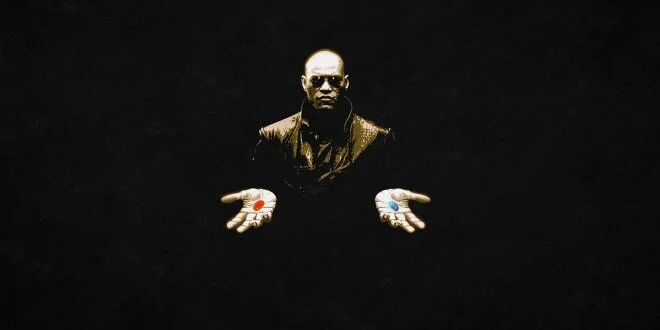
In my early 30’s, I crossed over a life-altering threshold as I began to tell close friends not only that I had suffered childhood abuse, but more importantly what had happened in those scenes. It was a “red or blue pill” decision and I am forever grateful to former pastor Brian Wallace for knowing it would open up the new vistas of healing for which I was so desperately hungry.
This is why I love Maya Angelou’s words:
There is no greater agony than bearing an untold story inside you.
Her memoir, I Know Why The Caged Bird Sings, was my first exposure to another survivor’s account. I don’t remember if I, at age 16, connected Angelou’s story to my own, but I consider her a forerunner for my own future courage. I am forever grateful for my English teacher, Vicky Yoder, who knew it was an important book for young people long before organizations like RAINN educated us that 1 in 5 girls are victims of childhood sexual abuse. Curating communities of caring witnesses where unspeakable stories can be told has become the cornerstone of my practice.
In a recent On Being podcast (time stamp 8:05- 10:53), Serene Jones, President of New York’s Union Theological Seminary, brilliantly connects the idea of untold stories and shame.
During her time at Yale, while listening to a lecture on lynching, she came across a picture labeled: Laura Nelson, 1911; Okemah, Oklahoma.
She goes on to explain:
“There were maybe 300 people in the town in 1911, and two-thirds of them were my family. So there was no way that my family did not know [of] or, most likely, participate in [the lynching]. But it’s not a story that [has] been passed down.”
Heartbroken, she draws this painful conclusion:
If they had not participated, they would’ve told the story.
For so many of us, the stories that go untold, sometimes for generations, are the ones in which we believe we participated in the harm done to us. The stories of how we have survived the brokenness of our world are excruciating to tell, but they are also the only way I know through the rabbit hole.
What stories did everyone in your family seem to know but no one talked about? What topics, growing up, did you intuitively know were off limits? What story about a “forbidden” part of life do you need to tell in order to find greater freedom from shame?