Exposing Emptiness

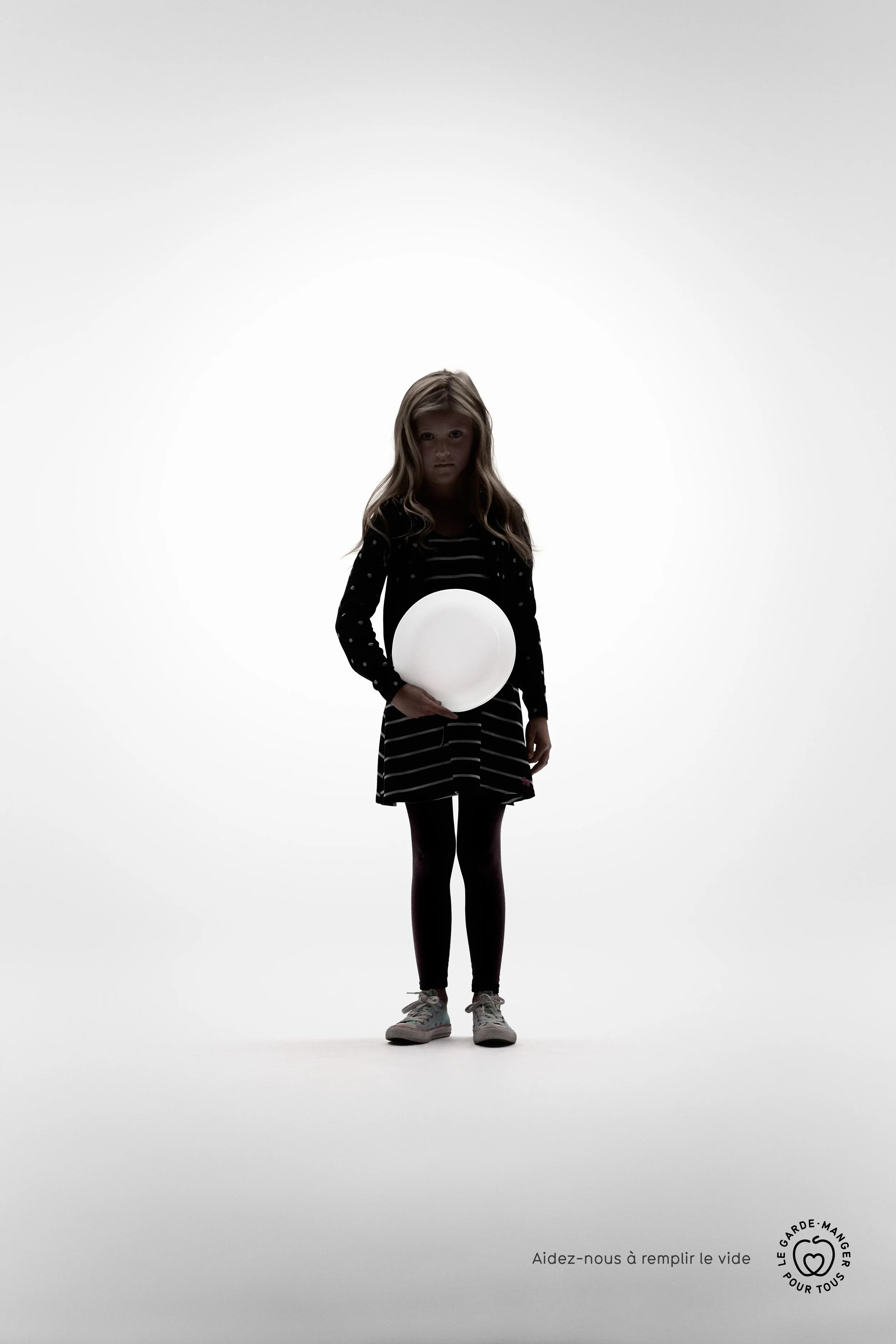
gmpt-affiche-final2.jpg

Over the past two weeks, I’ve spent half of my energy managing emotions I had no idea so significantly undergirded my life.

Avoiding exposure to COVID-19 has exposed how the busyness of my days buffers me from tension in my marriage, discontentment with my body, insecurity as a writer, financial fear and emotional emptiness.

Of all these unsettling realities, I sense emotional emptiness is the headwaters of them all.

In Understanding the Borderline Mother, Christine Ann Lawson writes:

Emptiness and loneliness are distinctly different emotional experiences. Whereas loneliness results from loss and evokes sadness, emptiness results from deprivation and triggers anger.

A deep understanding of my story means I more honestly admit, to myself and those close to me, how deeply lonely I felt growing up. But Lawson’s words, in the midst of this quarantine, invite me to reassess if what I’ve become accustomed to calling loneliness is really an ancient emptiness I have no idea how to address.

In his book, Addictions and Grace, Gerald May wrote:

All [these success stories] are because of one fact: the people did not fill up the space left by their addictions. A contemplative quality can be found in anyone who has encountered emptiness and chosen not to turn away.

Making peace with emptiness—this is the daunting task at the heart of May’s teaching. And it is both relieving and terrifying that the process of learning to live with universal spaciousness begins by not turning away from it.

Maybe this is why, of all the things my friends have posted on social media this week, the most encouraging ones have been wry confessions of what they always thought they’d do with more time but are finding they still aren’t choosing: reading more, deeply cleaning their house, exercising faithfully, cooking healthier meals, etc.

In their words I read a turning towards an exposed reality of their desires, or lack of them, even if it doesn’t measure up to an ideal image they’ve always expected of themselves. Maybe I can do the same.

What unbuffered emotions has a quarantined life invited you to turn towards? What childhood story of deprivation do you need to tell in order to be kind to the emotional emptiness surfacing for you in these unique days?

Healing Exhaustion

woundcare.jpg

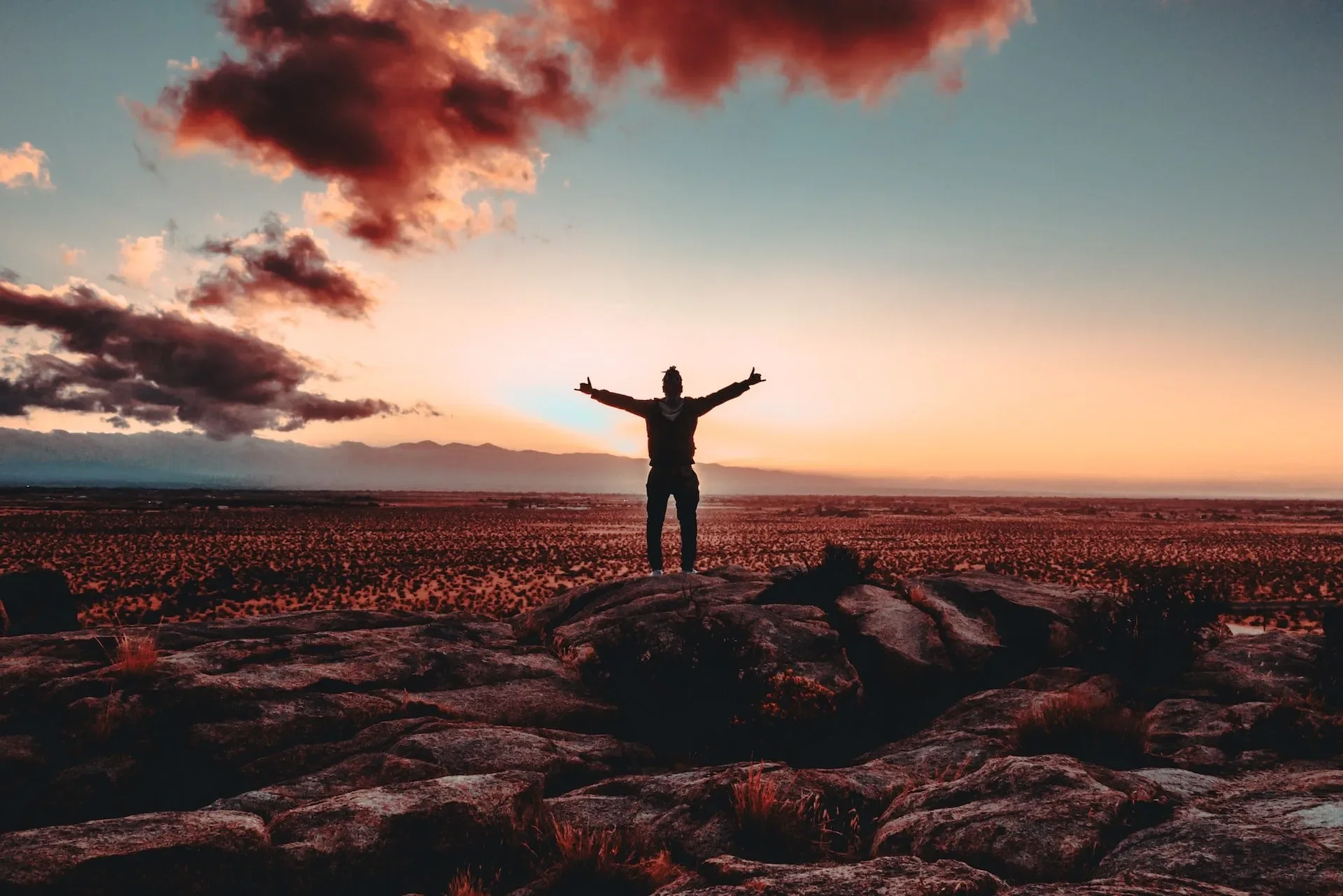
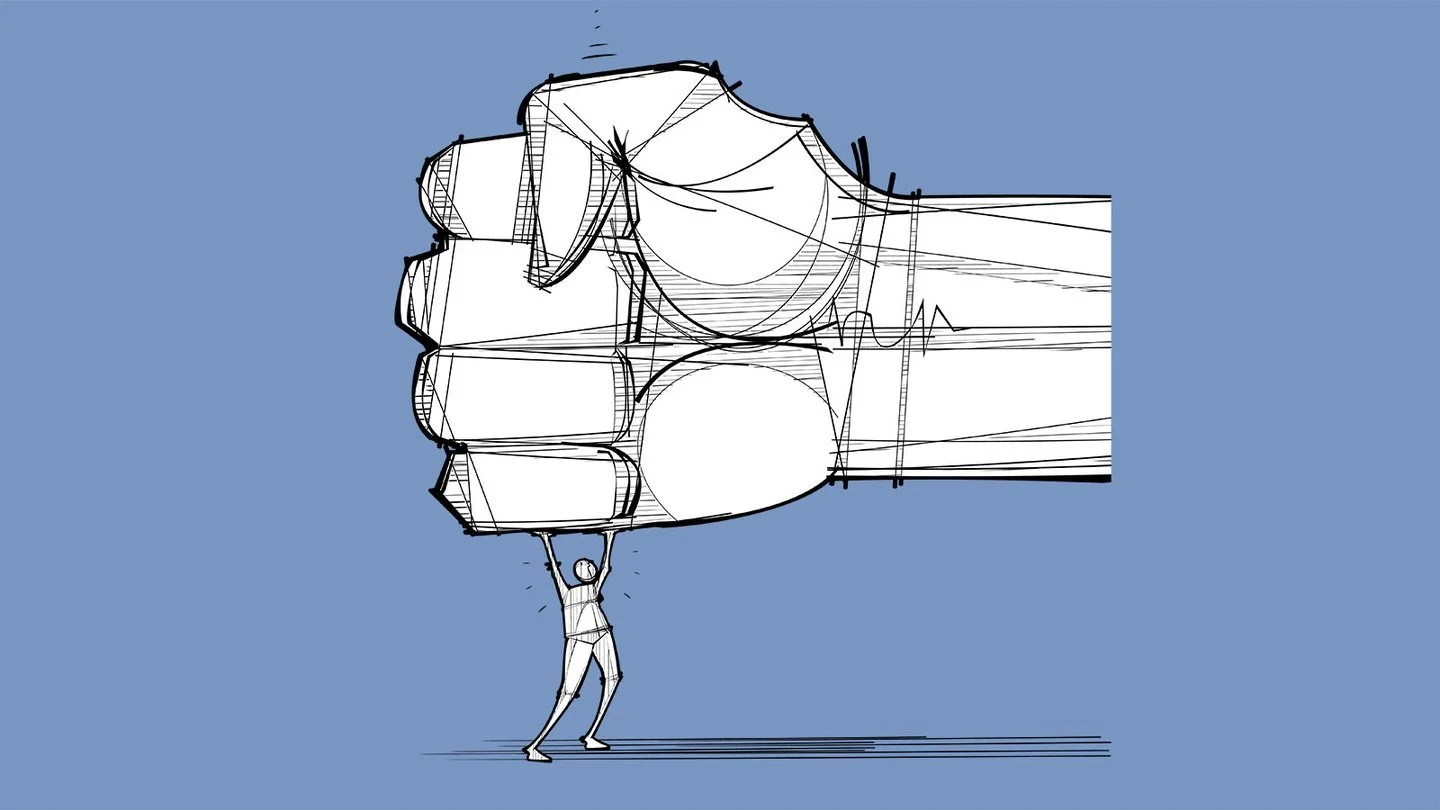
What if our exhaustion is a wound rather than a ball and chain?

What if in these weeks, when we can do little else, it’s something to heal rather than a weight we are desperate to shed?

What if instead of self-imposed schedules to keep our sanity we let our bodies lead us, revealing ways our lives need better care?

Coronavirus, Bananas & Developmental Trauma

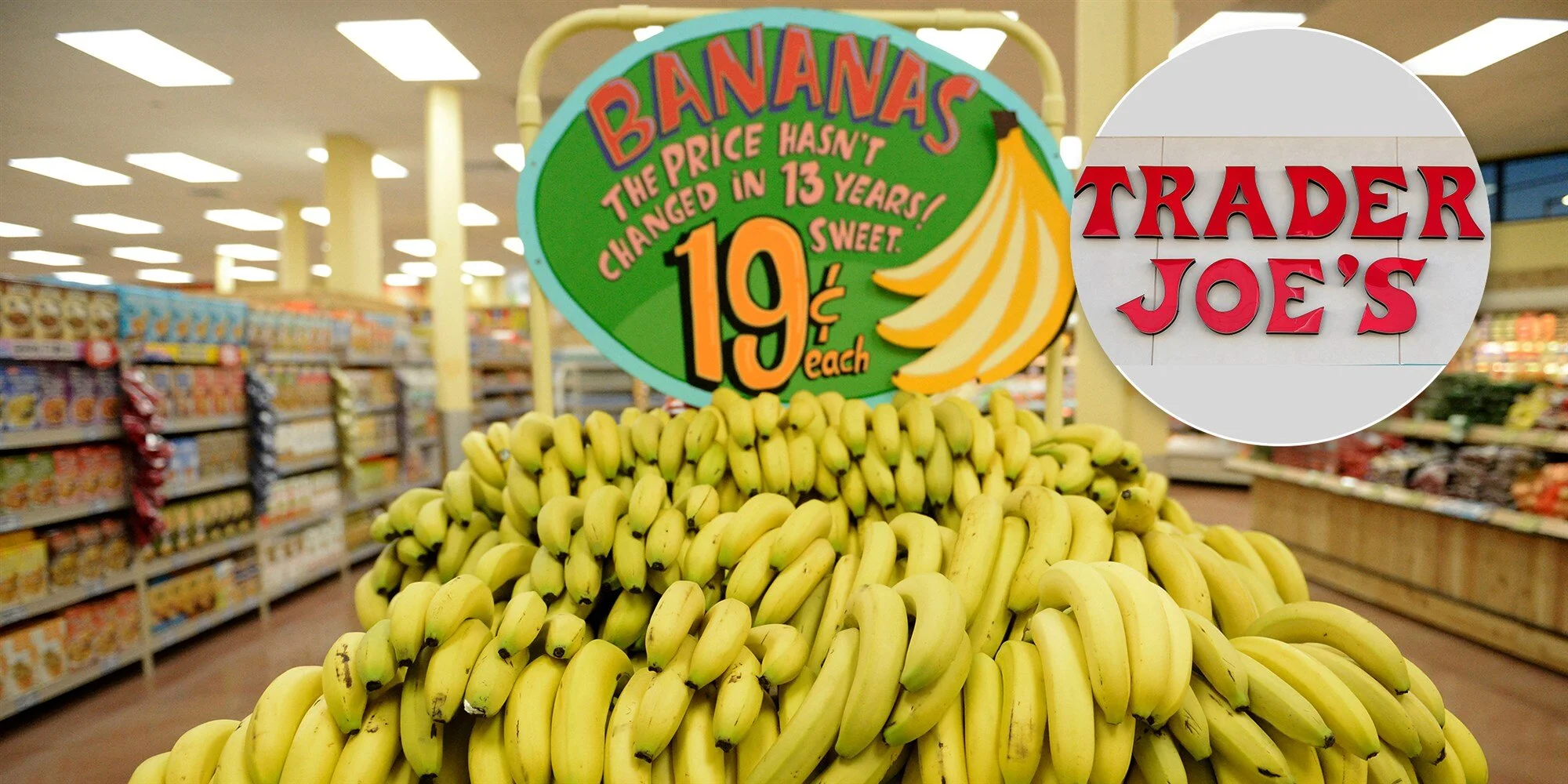
trader-joes-eco-friendly-changes-today-main-190724_4bb4e37fb9c8a63574b0c73789040c43.fit-2000w.jpg

Two hours ago I walked into a Trader Joe’s to get OJ and bananas and walked out with over $100 worth of frozen meals and dry goods.

Despite having shopped at two other grocery stores last night and thus having a full refrigerator, the combination of empty shelves, overloaded shopping carts and the speed at which people combed the aisles was panic-inducing.

I KNOW we have enough food and just yesterday morning rolled my eyes at other people’s over reactions, but back in my car I realized the logical part of my brain had not been powerful enough to override my mirror neurons as they screamed at me to mimic the intense emotions and dysregulated behavior of those around me.

Driving home, I was too flooded to listen to my usual audiobook or even leave a voicemail update for a friend who reached out last night to check in on our family.

Even crazier was unloading my groceries and seeing I had bought a total of 32 bananas from the three stores I had visited in the past 12 hours. A few minutes later, I realized it was because a friend who lives in another state had texted me yesterday afternoon that her grocery stores was out of bread, onions and—-you guessed it, bananas. The process of internalizing the emotions and experiences of others had begun hours ago not when I walked through the doors of my local Trader Joe’s.

The battle I have faced, the last 24 hours, to choose my own emotional and behavioral response to my world’s reaction to the Coronavirus, has taught me much about the impossibility it would have been as a young child to have felt differently than my mentally-ill parents.

When sharing stories about my family growing up, I often expect so much of my younger self. Even as young as age four, I can find fault with my coping methods—that I wasn’t more separate from the darkness going on around me or that I didn’t stand up to the unhealthy behavior of my caregivers or that I didn’t learn earlier how to have not needed their care or connection.

But at 46 years old, I can’t even walk into a chaotic grocery store and only get what I need when others are fearfully stocking up. How kind is it then that I demand of myself as an adult to no longer carry any trace of those I grew up engulfed by?

What story do you need to tell about the emotions you were surrounded by growing up in order to be more patient and kind with yourself as an adult?

The Luxury of Anger

download.jpeg
download (1).jpeg

Growing up, my mom described me, even as early as three years old, as being prodigiously well-behaved.

“I could correct you across the room with only a glance,” she’d say with a smile.

That always felt like praise until my oldest turned three, and I discovered the incessant use of the word no during the “terrible twos” was no match for the task of emotionally regulating a three year-old who had her own opinion about every. little. thing.

This past month, Christine Lawson’s book, Understanding the Borderline Mother: Helping Her Children Transcend the Intense, Unpredictable and Volatile Relationship, has called me to reframe my impeccable self-control as fear of my mom’s erratic mood swings.

Anger was a luxury.

Whether it’s Emmanuel Sanders celebrating a touchdown catch or a Nuggets guard staring down an opponent after dunking over him, league rules around “taunting” confine athletes to a razor thin bandwidth of emotional and cultural expression while simultaneously paying them to perform at levels of superhuman intensity.

Anger is a luxury.

In The Week’s article “It’s 2020 and Women are Exhausted”, Zoe Fenson writes:

Warren and her fellow female candidates are being distilled to the most basic and dehumanizing of stereotypes. Because in our American patriarchy, when accomplished, outspoken women pursue positions of power, they are routinely painted as unreliable and unlikable — snakes in human form.

Anger is a luxury.

And yet anger is often the only fuel explosive enough to initially thrust the vehicle of justice out of the gravitational pull of Cape Canaveral’s oppressively humid atmosphere.

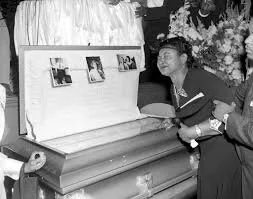
Last week, Illinois Representative Bobby Rush, introduced the Emmett Till Antilynching Act. Though named after a 14 year-old boy murdered in 1955 for supposedly looking at a white woman in a sexual manner in a grocery store, legislation criminalizing lynching was first introduced in 1900. After 120 years, passage could finally add lyching to the United States Criminal Code making it a federal crime.

At her son’s funeral, Mrs. Till Mobley propelled the Civil Rights Movement to a new stratosphere when she, against sheriff’s orders, opened her son’s casket, publicly revealing his mangled body.

She permitted several photographers to take pictures of her son’s disfigured corpse and urged the publication of the gruesome images. “[People] would not be able to visualize what had happened, unless they were allowed to see the results of what had happened,” she later said. “They had to see what I had seen. The whole nation had to bear witness to this.”

Anger was necessary.

What rules did your family have around expressing anger? What do you remember being furious about as a child? How did it show? What injustice was it seeking to counter? What story, if told, would free you to see your anger as an ally in birthing change in your life and story?

UPCOMING OPPORTUNITIES

Denver Story Group: Monday, March 16th 6-9pm in Littleton

(2 spots left)

Between Touches Zoom Call: Tuesday March 24th, 6-7:30pm MST

(1 FREE guest spot left)