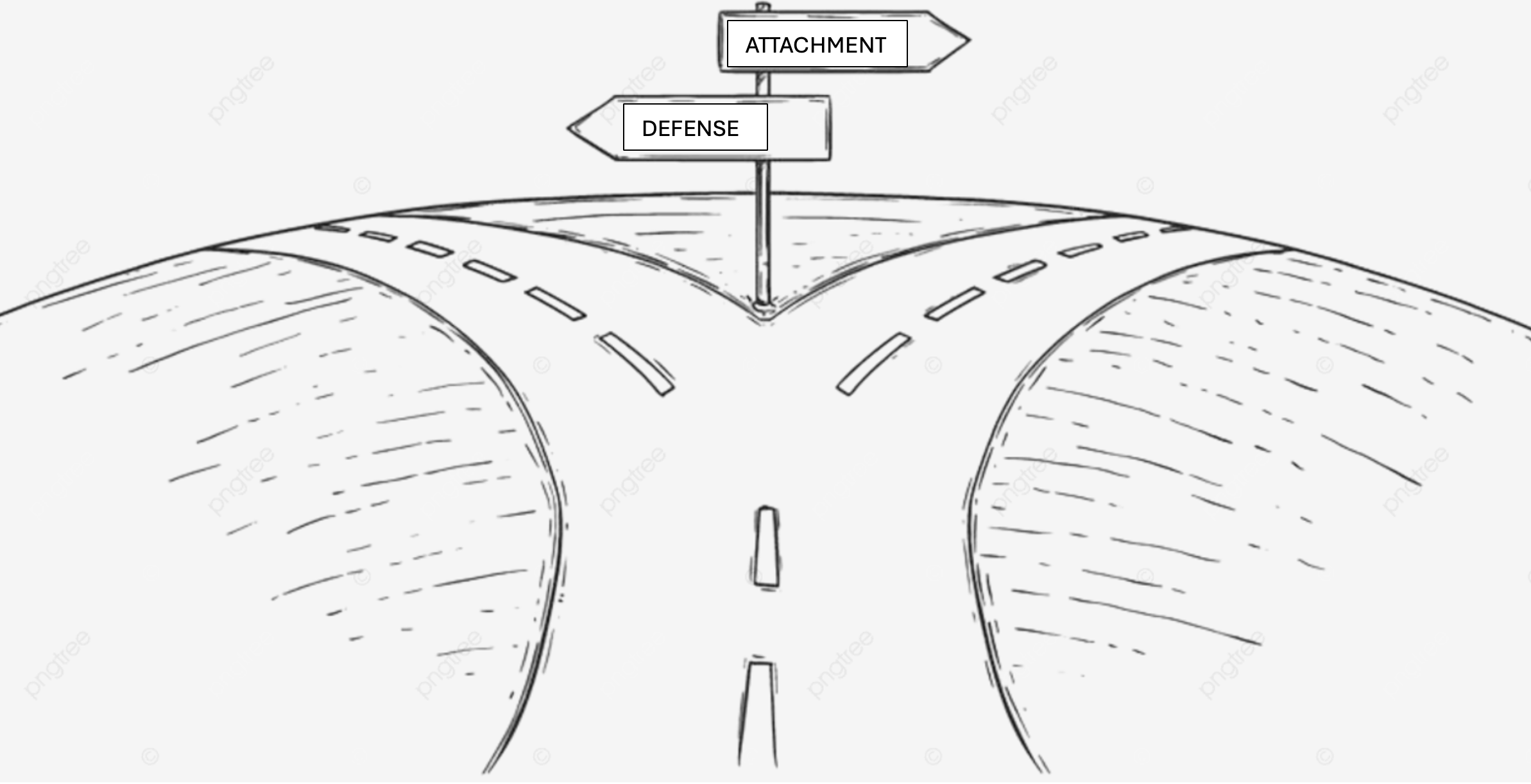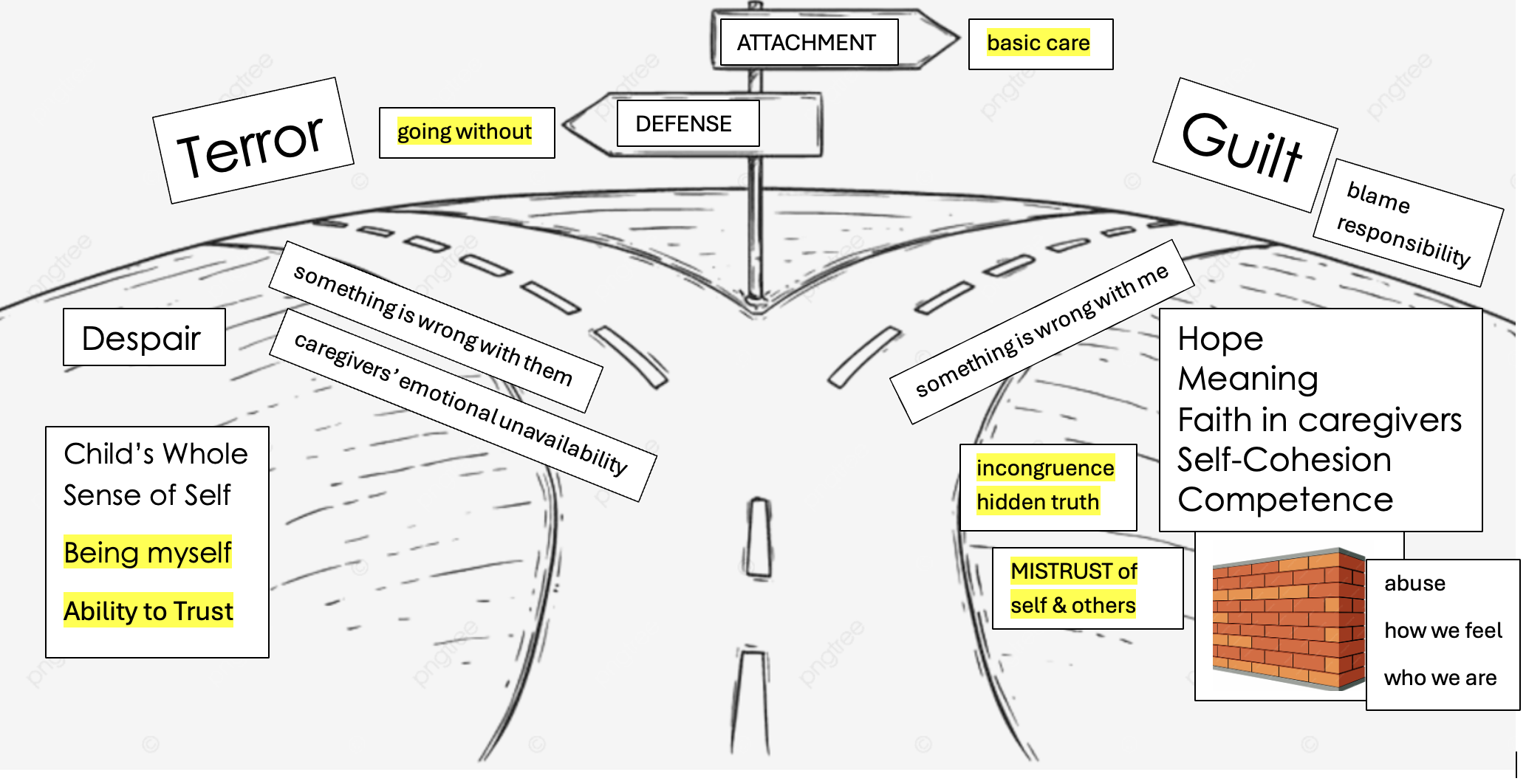
Tragic Transactions & Mistrust of Self

Excerpt from the free Substack article that wraps up our February theme on surviving childhood trauma:

At the heart of a “mistrust of self” is a deep mistrust of our bodies. It’s our body and its nervous system that registers the danger around us. We feel sick to our stomach, our chest is tight, our throat closes, our heart beats fast, our breathing quickens, we get tense and still with caution, and our temperature fluctuates from freezing to burning up depending on how intense the moment is. Our internal alarm bells go off, physical indicators that all is not well.

But what happens when those alarm bells never shut off? If you’ve ever been stuck in a large building while a fire alarm is misfiring, you know what you must do to stay sane. To drown out the repetitive, loud sounds you have to put on noise cancelling headphones so you can go on with life.

That’s what we do as kids. We turn down the inner dial of alarm bell volume so we can go on living with some measure of personal focus and equilibrium with our families.
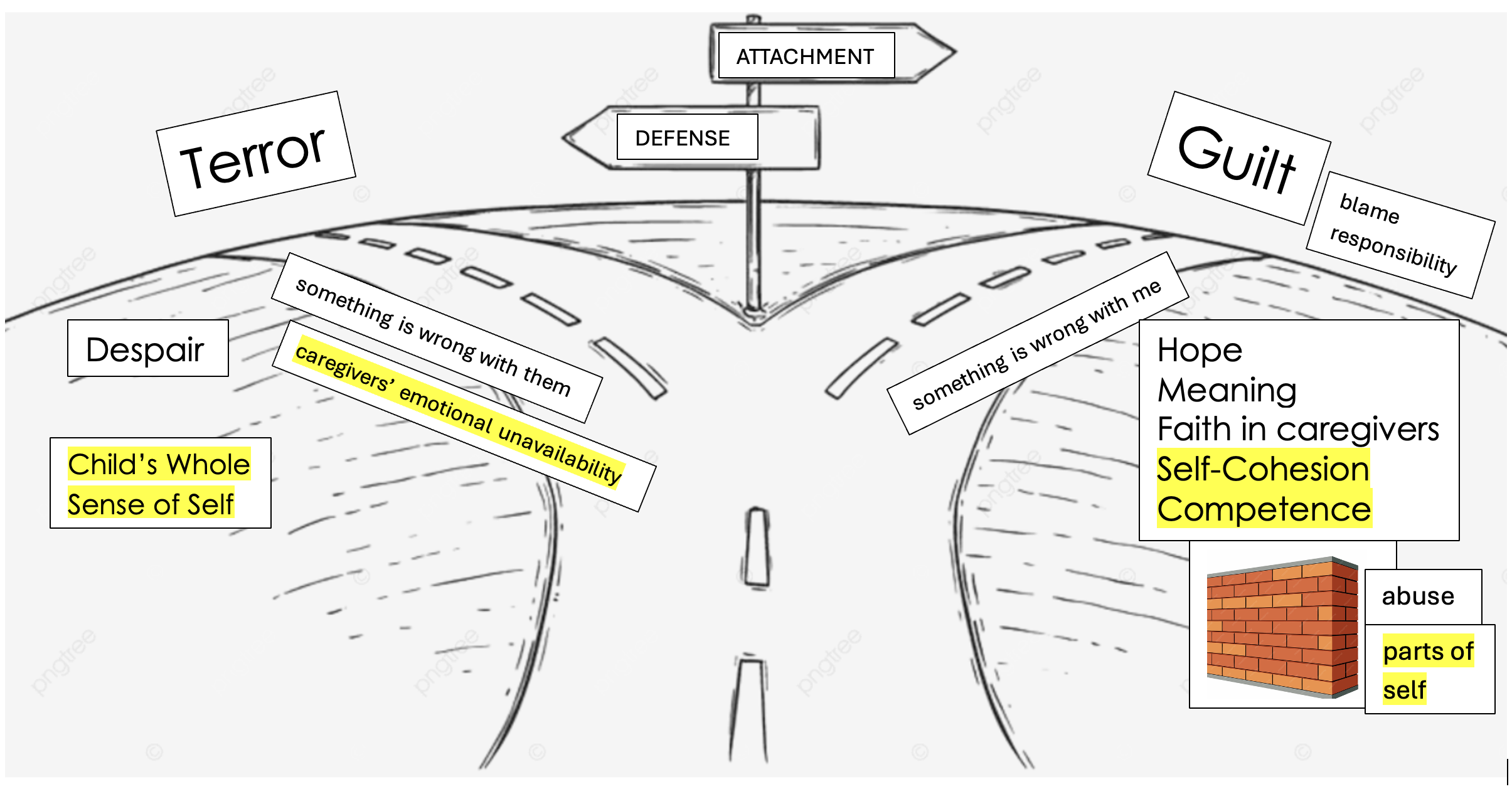
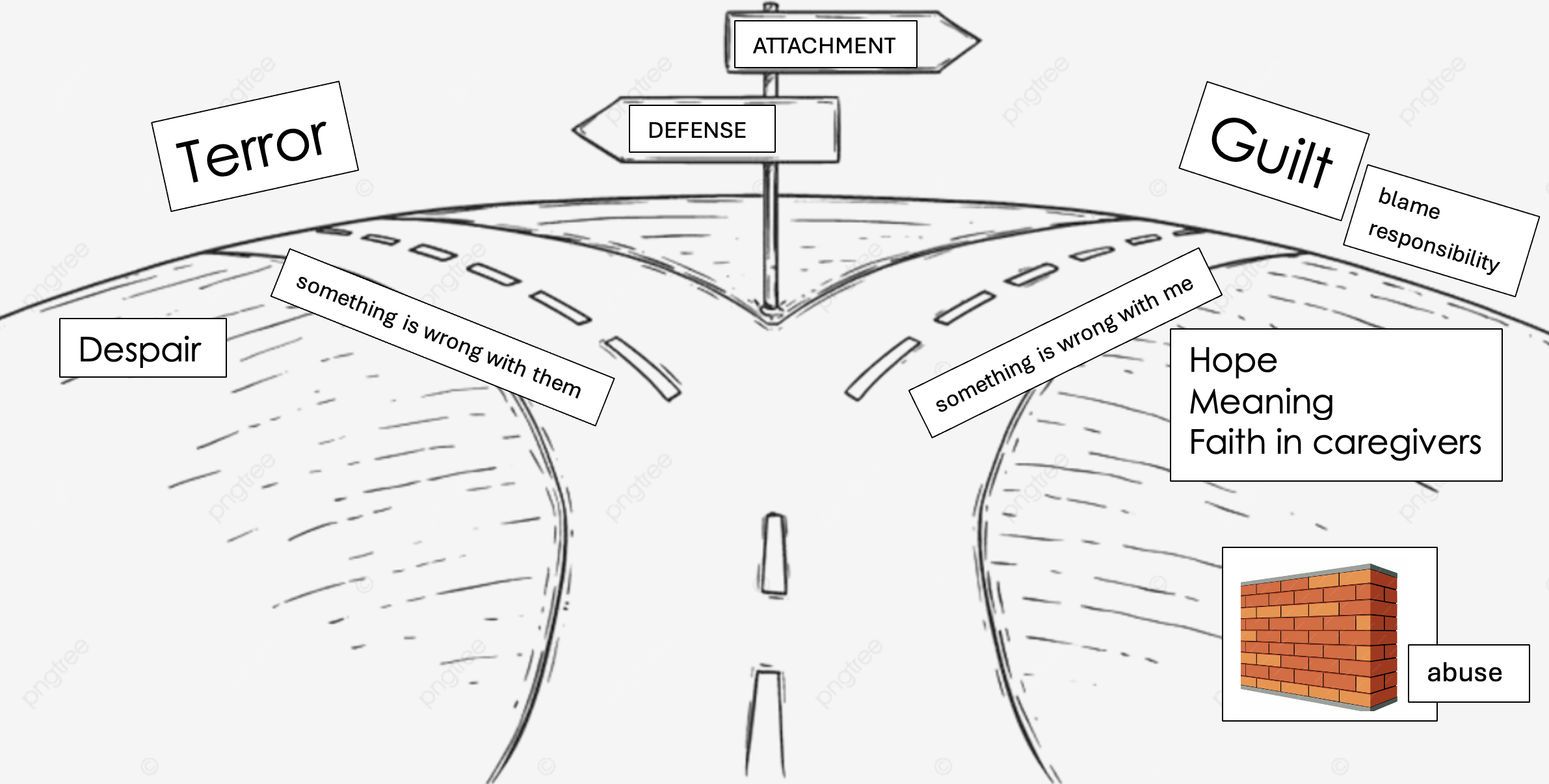
Disavow & Withdraw

February’s third article on how children survive trauma inside their home is now available on Substack. Subscribe for free to get full articles sent to your inbox every Monday!

In another crazy twist of non-reality, denying ourselves helps us hold ourselves together and feel competent.

Once a child chooses to bury the parts of them that are disrupting their parent, two “good” things happen. First, they feel like everything is more steady inside of them because anything in them that is threatening closeness with their parent has been removed from their self-expression. Second, they can now function at a higher level than when all the parts of them were present on the surface and made life messy. When their negative feelings are distant, they can focus, achieve and learn what they must for approval and acceptance by an unwell caregiver.

Two Competing Instincts

In her book Healing the Fragmented Selves of Trauma Survivors: Overcoming Internal Self-Alienation, Janine Fisher writes:

“When attachment figures are abusive, the child’s only source of safety and protection becomes simultaneously the source of immediate danger leaving the child caught between two conflicting sets of instincts.” (p. 24)

Read the rest of the article for free on substack!