Progressive Lenses

EUxOtdjWoAIa1op.jpeg

In mid-March, I was informed my first pair of prescription, progressive glasses were ready for pickup. At checkout, the clerk handed me an instruction guide for my new lenses. I internally scoffed—who needs instructions for how to use a pair of glasses?

Turns out I did.

Progressive lenses simultaneously provide a clear view of cars while driving, screens 8-12 feet across a room and the pages of a book resting in a lap. And yes, it takes time to learn to use them.

For the first several days, until my eyes adjusted on their own, I had to be intentional about which part of the lens I looked through depending on the distance of the object I wanted to see. Countless times I almost tripped walking down stairs because I looked through the lower section intended for reading, not walking.

It was an adjustment, but now I am enjoying time in my hammock, easily shifting my gaze between the clouds above, an adorable puppy walking by and the book I am reading. It’s glorious!

In his collection of prose entitled Consolations, David Whyte writes:

Maturity is…the ability, despite our grief and losses, to courageously inhabit the past the present and the future all at once. The wisdom that comes from maturity is recognized through a disciplined refusal to choose between or isolate three powerful dynamics that form human identity: what has happened, what is happening now and what is about to occur.

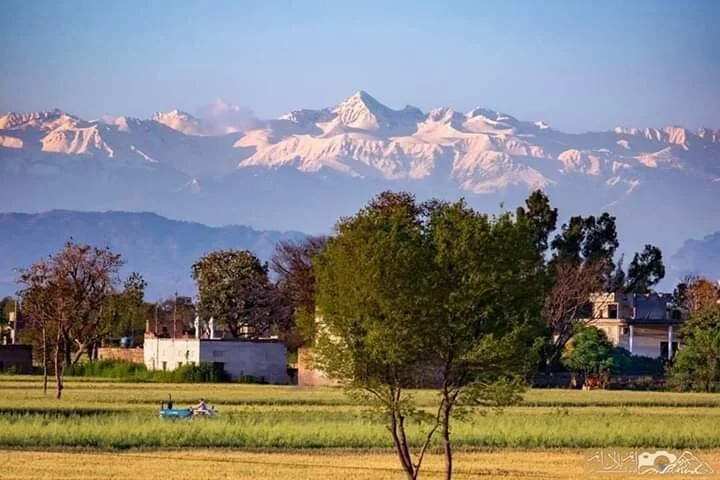
Last week, residents in Northern India posted pictures of the Himalayan Mountains with a new sense of awe. With improved air quality from the shutting down of factories, the highest peaks in the world became visible in a way they hadn’t seen in thirty years.

As the U.S. debates about when and how to emerge from this time of sheltering and quarantine, I’m asking myself two questions:

What are the “Himalayan” realities in my life I can now see?

How can I carry these with me in a way that straddles the past, present and future in a more mature way?

COVID-19 has not been the great equalizer it felt like in late March when my privileged, buffered life experienced it as merely an extended spring break.

This past month has profoundly exposed the cost of racial inequity in our country, the crucial role of women in our workforce and the tragic plight of underpaid essential workers upon which our lives depend. Mercy, healing and peace to those sacred souls whose lives encompass all three categories.

What insights about your life loom large on your horizon? What clarity do you have about your past, present and future from the sense of suspended time we were all given? How are you being called to live differently as we all begin the long, incremental process of choosing our new normal?

To Hell and Back

Harrowing of Hell. Fresco, by Fra Angelico, c. 1430s

Harrowing of Hell. Fresco, by Fra Angelico, c. 1430s

A poem for Holy Saturday

(click on poet’s name to hear it read out loud)

Go to Hell

by Pádraig Ó Tuama

He is called to hell, this Man

He is called to glory

He knows well those twisted ways and those who’ve lost their story.

He is called to clay, this Man

He is called to yearning

He has heard of hidden streams that heal those tired of burning.


He’s searching out those raised in hell

He wants to know the things they know

He believes in dreamland where the ragged people go.


He is called to quiet now

He is called to silence

To squat down on the breaking ground with those who’ve swallowed violence.


He is called to anguished thoughts

He is called to flowers

To find in hell’s own lonely fury that which no flame devours.


I saw Him on the midway path

I saw He carried two things only

On his trip to hell, this Man

He is called to story.

Going Back to Go Forward

1_Yd4GVE9k8_AIjlki6Z38eA@2x.jpeg

“Hope is grounded in memory. It lies not in looking forward but in looking back.” Walter Brueggemann

Many of us are finding ourselves with a type of time—suspended, unrushed, and sometimes unsettling—we’ve never had before. Answering the question “What is this time for?” has brought me purpose, grounding and centeredness in the uncertainty.

If you’ve realized there is something you need going forward that you’ll only find by going back, now is the time to discover your story more deeply.

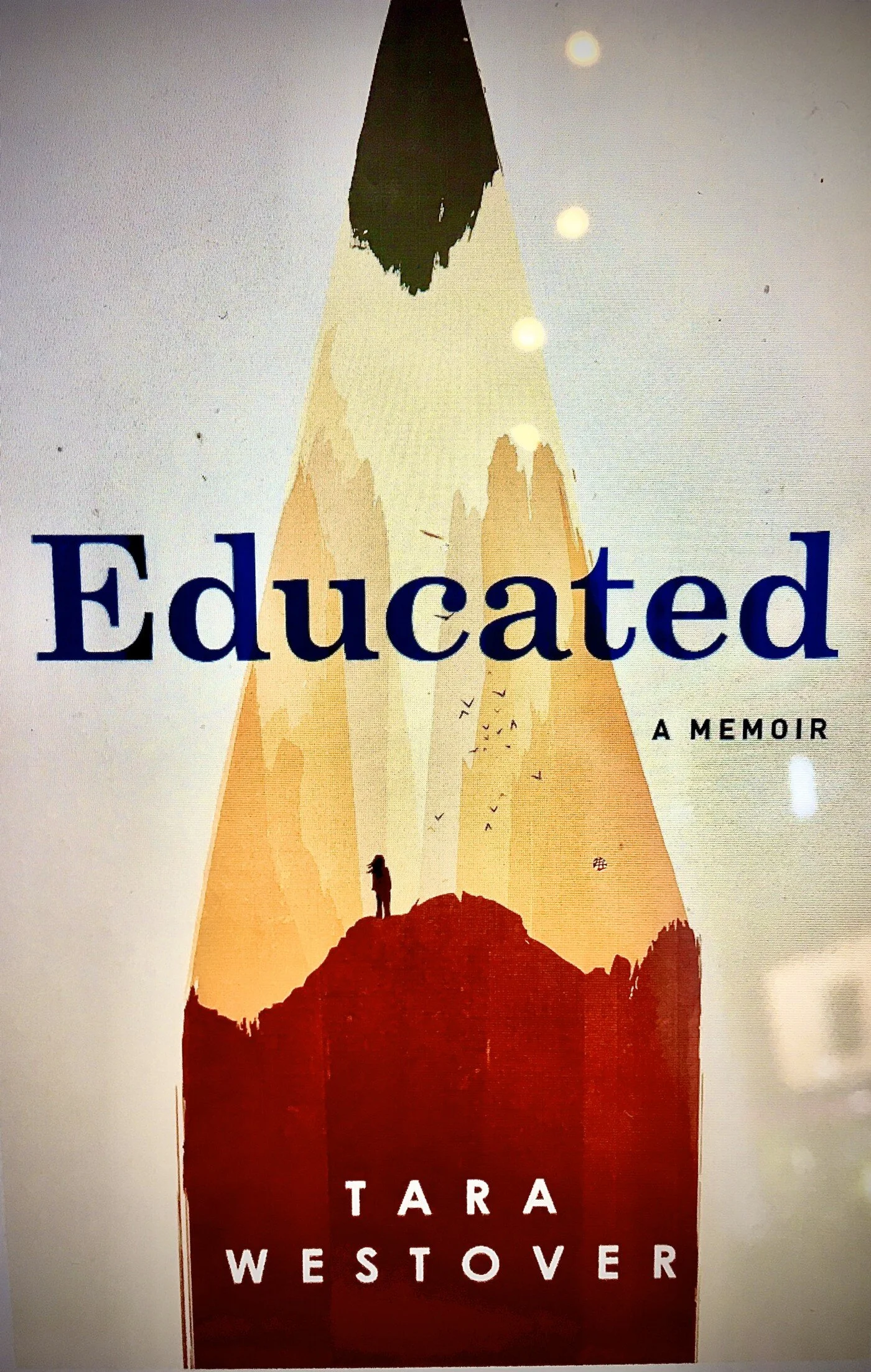
In April & May, my monthly online story membership will be exploring the memoir Educated by Tara Westover. Her journey is uniquely strange and yet in her story we find the DNA of all our stories:

  • The “compressed hierarchy” of roles as siblings leave home

  • “Acceptable” activities in family culture

  • Danger & what we bond with in order to shelter ourselves

  • Coping strategies in unsafety

  • Our alien-ness as we leave home

  • The importance of being seen by others outside our family

  • The battle, cost and power of telling our stories

REQUEST DISCUSSION GUIDE

Join this TWO-PART ONLINE GROUP EXPERIENCE to…

begin a process for which you’ve had the desire but not the space and connect with others also wanting to more deeply know their story

COST FOR BOTH SESSIONS: $20

Chapters 1-16:

Friday April 24th 6:00-7:30 pm MST

OR

Saturday April 25th 9:00-10:30 am MST

Chapters 17-40:

Friday May 15th 6:00-7:30 pm MST

OR

Saturday May 16th 9:00-10:30 am MST

SIGN UP

Exposing Emptiness

gmpt-affiche-final2.jpg

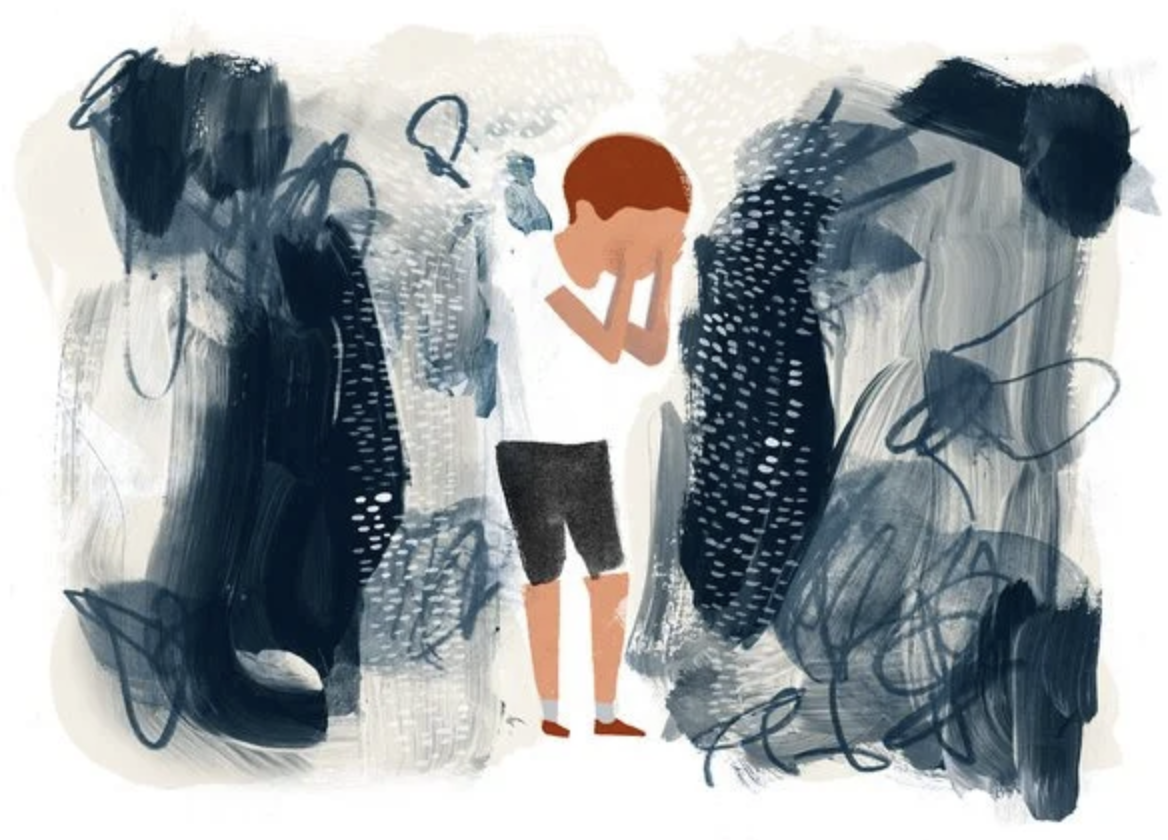
Over the past two weeks, I’ve spent half of my energy managing emotions I had no idea so significantly undergirded my life.

Avoiding exposure to COVID-19 has exposed how the busyness of my days buffers me from tension in my marriage, discontentment with my body, insecurity as a writer, financial fear and emotional emptiness.

Of all these unsettling realities, I sense emotional emptiness is the headwaters of them all.

In Understanding the Borderline Mother, Christine Ann Lawson writes:

Emptiness and loneliness are distinctly different emotional experiences. Whereas loneliness results from loss and evokes sadness, emptiness results from deprivation and triggers anger.

A deep understanding of my story means I more honestly admit, to myself and those close to me, how deeply lonely I felt growing up. But Lawson’s words, in the midst of this quarantine, invite me to reassess if what I’ve become accustomed to calling loneliness is really an ancient emptiness I have no idea how to address.

In his book, Addictions and Grace, Gerald May wrote:

All [these success stories] are because of one fact: the people did not fill up the space left by their addictions. A contemplative quality can be found in anyone who has encountered emptiness and chosen not to turn away.

Making peace with emptiness—this is the daunting task at the heart of May’s teaching. And it is both relieving and terrifying that the process of learning to live with universal spaciousness begins by not turning away from it.

Maybe this is why, of all the things my friends have posted on social media this week, the most encouraging ones have been wry confessions of what they always thought they’d do with more time but are finding they still aren’t choosing: reading more, deeply cleaning their house, exercising faithfully, cooking healthier meals, etc.

In their words I read a turning towards an exposed reality of their desires, or lack of them, even if it doesn’t measure up to an ideal image they’ve always expected of themselves. Maybe I can do the same.

What unbuffered emotions has a quarantined life invited you to turn towards? What childhood story of deprivation do you need to tell in order to be kind to the emotional emptiness surfacing for you in these unique days?