The Concerning DNA of Cultural Christian Parenting (Part 2)

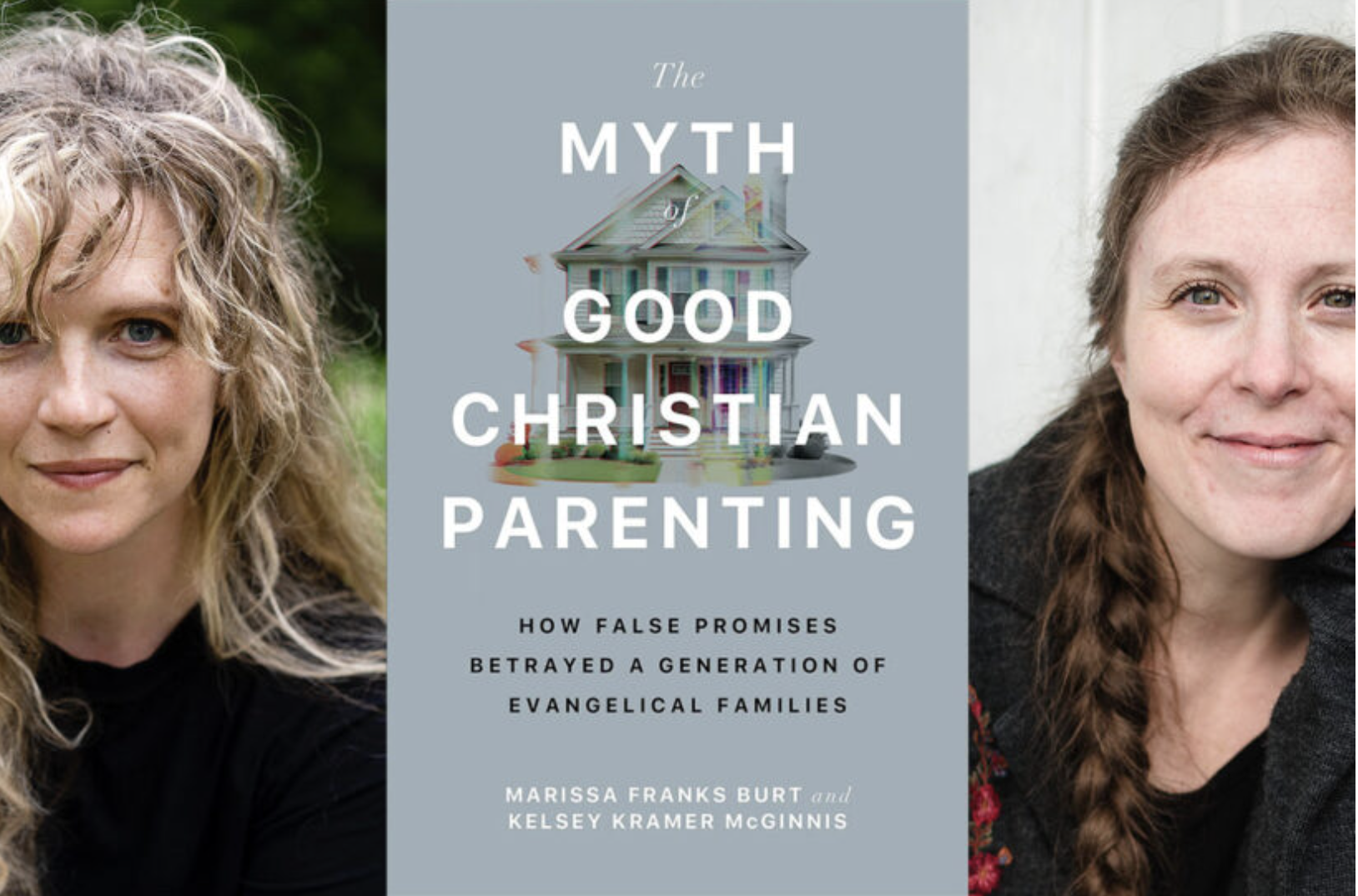
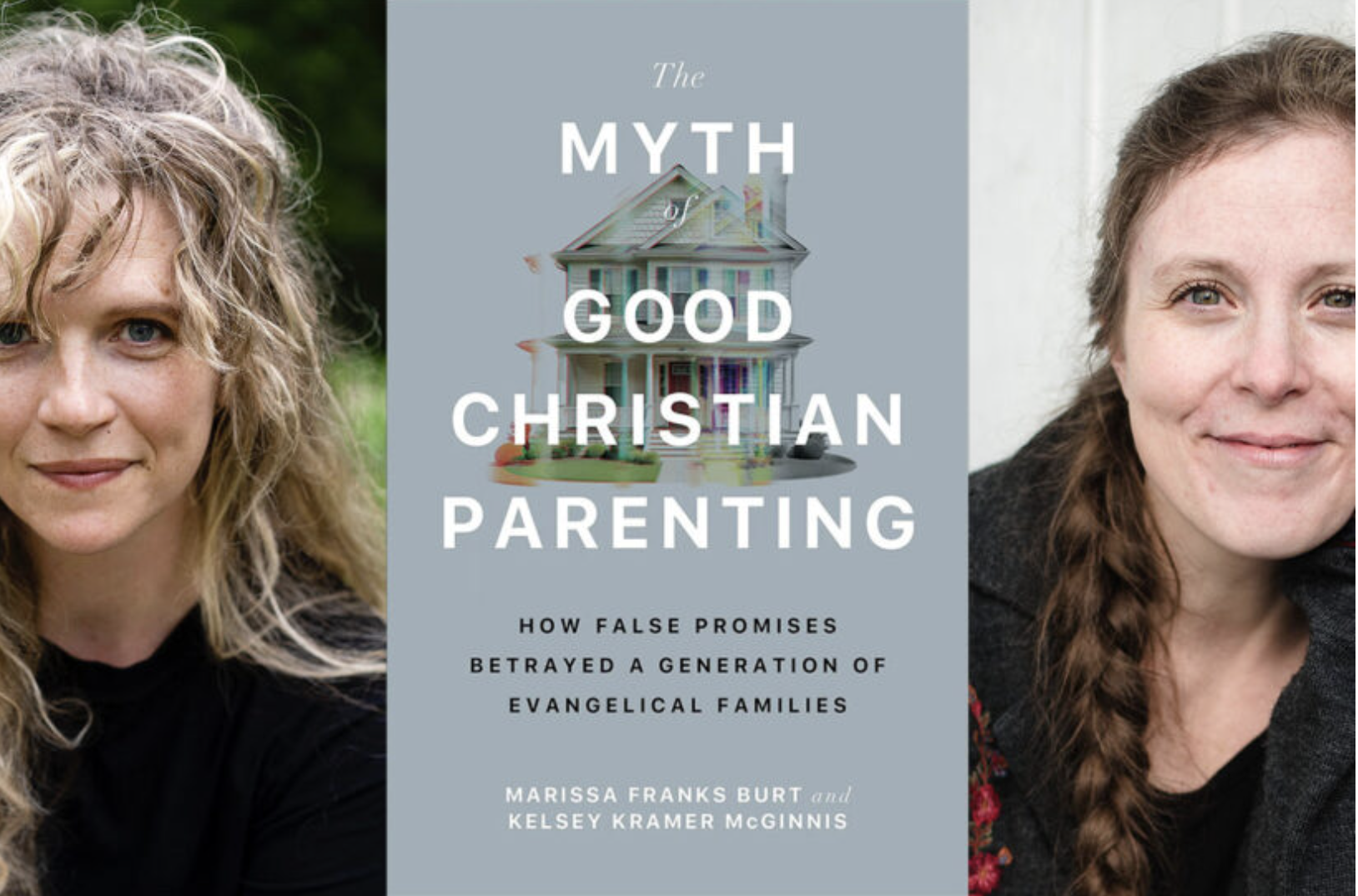
I’m continuing our deep dive in the concerning DNA of cultural Christian parenting through Burt & McGinnis’ sobering book The Myth of Good Christian Parenting: How False Promises Betrayed a Generation of Evangelical Families.

One of the most important tasks I do, day in and day out, as a therapist is help survivors of childhood trauma hold and exercise their personal power. We call this agency and it the fuel for how we show up in and shape the world.

This has EVERYTHING to do with why I consider Burt & McGinnis’ book The Myth of Good Christian Parenting: How False Promises Betrayed a Generation of Evangelical Families so valuable for those from a traditional faith background. Their work contains a deep exploration of what I’m calling the fourth concerning trait of traditional Christian parenting: training instead of teaching children.

The Concerning DNA of Cultural Christian Parenting (Part 1)

Finally, after a few weeks delay, I am starting our dive in the concerning DNA of cultural Christian parenting. Releasing this material has been slower than I anticipated for one straightforward reason: It was sobering, slow work to get through Burt & McGinnis’ sobering book The Myth of Good Christian Parenting: How False Promises Betrayed a Generation of Evangelical Families.

Before we look at three of the four most concerning traits (we’ll examine the fourth in next week) I want to highlight an important distinction between what is Christian and what is Biblical. I am intentionally using the word Christian, as Burt and McGinnis do, to signify what has become normative in American evangelical culture, not what is commanded in the Bible. The two are easily conflated and it is crucial to distinguish them.

“It’s easy to slip the label ‘Christian’ onto any number of things—denominational affiliations, doctrinal frameworks, well-behaved families, moralism. But in its most basic sense, what makes something Christian is whether it reflects the life and teaching of Jesus.” (p. 187)

In so many ways, traditional Christian parenting literature made popular in the 1980s, 1990s and early 2000s, by such names as James Dobson, Bill Gothard, Tedd Tripp and Gary & Anne Marie Ezzo, does not reflect the life and teachings of Jesus.

Click here to read the rest of the article on hierarchy, ownership and spiritual enmeshment!

Defeating Despair

Over the past few weeks, I have heard the word despair mentioned in several places. And the beautiful thing is all of them have had the spirit of turning away from it—that we can no longer give it power. These gorgeous lines have stuck with me and surfaced together in moments when I am tempted to think goodness in hard places is impossible.

From Jan Richardson’s blessing entitled “And The Table Will Be Wide” found in her newest book How The Stars Get In Your Bones:

And we will open our hands

to the feast

without shame.

And we will turn

toward each other

without fear.

And we will give up

our appetite

for despair.

And we will taste

and know

of delight.

Then, last Sunday at Highlands Church here in Denver, co-pastor Rachael McClair opened the service with this short Rumi poem:

Come, come, whoever you are.

Wanderer, worshipper, lover of leaving.

It doesn’t matter.

Ours is not a caravan of despair.

Come, even if you have broken your vows a thousand times.

Come, yet again, come, come.

Finally, Anand Giridharadas’ interview with Rebecca Solnit this past week discusses her book The Beginning Comes After the End: Notes on a World of Change. In his intro to the interview (from his substack newsletter called The Ink!) he writes:

But we shouldn’t concede to Donald Trump power he doesn’t now have. We shouldn’t build up a weak man into a strongman through our fear.

My favorite quote from her book that Anand reads at the beginning of the interview reminds me that setback isn’t the same as defeat.

“The fury of the backlash is itself evidence of the significance of what was achieved. We have won so much.”

May we all, this coming Holy Week, turn away from the despair we are accustomed to, refuse to ride in its caravan and not concede power to darkness even when we struggle to see truth in the backlash!
Power Imbalances Between Parents & Children

Below is an excerpt from my second article on power in families out today on Substack. Read the full article for free here!

Healthy parents do not have a need for their child either to stay dependent and helpless, or to be completely self-reliant (p. 43). Instead, they can share power—a concept we embrace in the face of race and gender inequity but rarely consider in the power differential between caregivers and their children.

“Sharing power is more difficult than exercising power.” Althea Horner

Sharing power requires an attitude of trust and safety. Sharing power never comes with a sense of humiliation or defeat, especially when we need to relinquish it out of wisdom or have to bear not having it in the face of suffering. A child’s first sense of his or her own power comes largely from sharing the power of the primary caretaker to whom it is emotionally bonded (p. 30, 33-34).