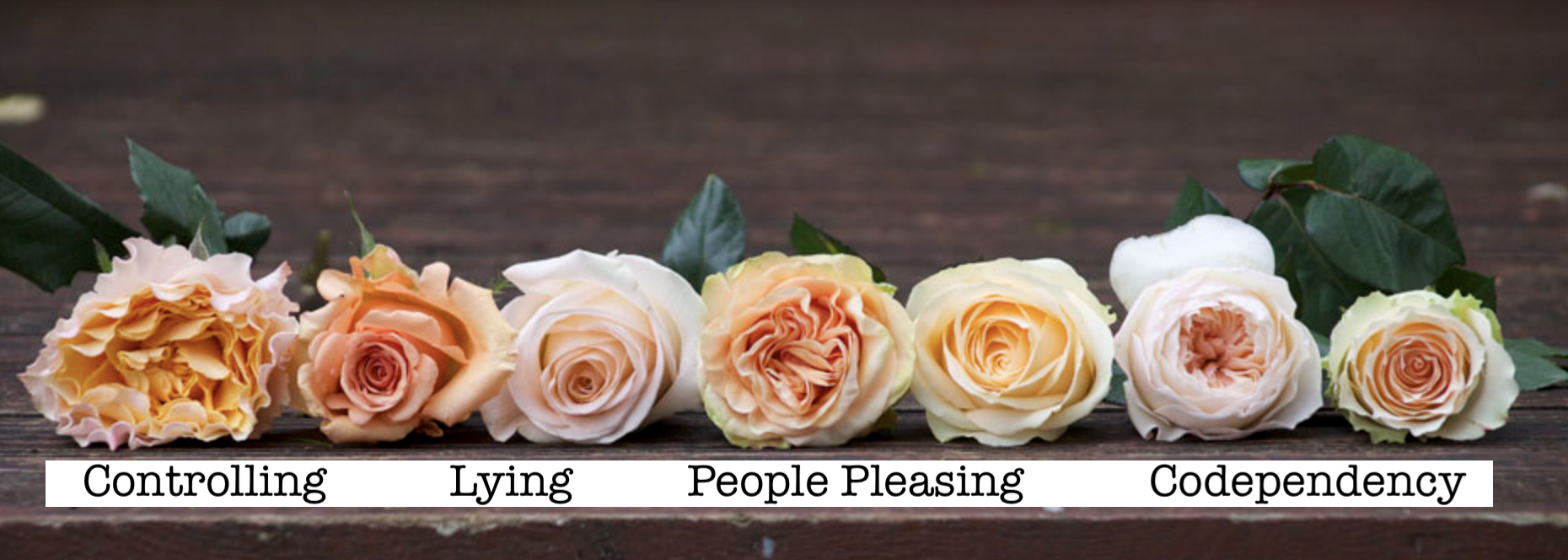
Shakespeare may have believed that roses by other names smelled as sweet but when it comes to the trauma response of fawning, grouping it together with words we commonly pathologize hides its true purpose.
This post is the second in a ten-part series on the fawn response and the process Ingrid Clayton, in her book Fawning: Why the Need to Please Makes us Lose Ourselves and How to Find our Way Back, calls “unfawning.”
Last week we defined fawning as “leaning all the way over” or centering another person, at the expense of our own personhood. We do this to survive relational encounters of disempowerment or maltreatment. Fawning can happen in as “small” of a moment as agreeing to a restaurant you don’t really like or laughing off a racial “joke” to not spoil the mood. But it can also occur in intense moments as well—like downplaying the pain when a remorseful partner apologizes for slapping you out of “frustration” or pretending to be into sex that you really don’t want to have but sense will happen with or without your enjoyment.
It’s not enough, though, to merely explain what fawning is, we must also identify what it isn’t. Otherwise, we miss the core intent behind important actions—to find personal safety. These four terms are often framed as personal problems like they originate out of thin air so if we don’t reconsider whether they could be an expression of fawning, we fail to see how they actually develop as adaptive coping mechanisms in dysfunctional environments of cultural, structural, familial and societal systems (p. 29).