Why Parents Struggle to Teach (rather than train) Their Kids (Part 3)

I grew up the eldest daughter of a mother who suffered from Borderline Personality Disorder, so I have an intimate knowledge of the way shame and image are perched on opposing sides of a seesaw, always trying to counterbalance one another. My whole life my mother had a push pull with the ways I would shine—sometimes as a uniquely insightful child and often because, like all children, I was beautifully inquisitive, spiritually attuned, playfully creative, and generous with my affection. One minute she was proud of me, admiring the strong person I was, and the next she was disdainfully ridiculing my faults out of jealousy.

One of the hardest parts of having a parent with a personality disorder is learning to stay within what I call “the narrow bandwidth of existing.” You need to perform at a level high enough that it reflects well on them as a parent, but low enough that you don’t outshine them. They must stay the focus which means maintaining the gaze of others through their status, reputation and accomplishments. Like everything in their life, their child must contribute to the glow, but not to the degree that they distract others from their place on center stage. A borderline mother wants to feel like a good parent because she doesn’t feel good inside as a person. She wants to appear like a good mother, without actually having to mother.

When I became a mom at age 30, I felt this same pull from the residue of attachment to my mom’s unwellness. My whole life I have battled chronic shame.

For me chronic shame means that I measure my own value according to how others respond to me. That other may be a teacher, spouse, supervisor, client, friend at my gym or my kid’s coaches. I am unsure if I am good but I think others are, so I work hard to elicit a positive emotional response from them (admiration, respect, acceptance, desire, connection) so I can feel good about myself.

My heart, mind and body center other people as the foundation for my own existence.

Continued….

Read the full post for free here!

Why Parents Struggle to Teach (rather than train) Their Kids (Part 2)

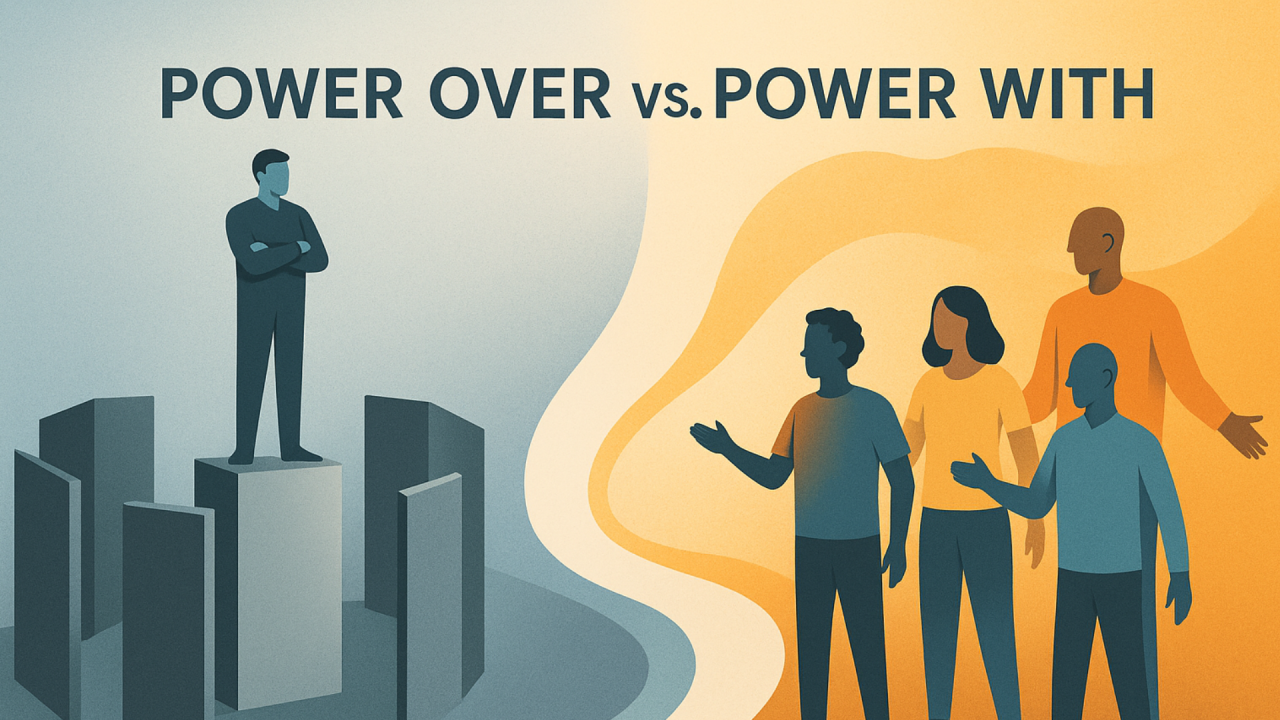
When it comes to training behavior instead of teaching how to use power, the result can be devastating. Instead of young adults who are in touch with what they need, want, think and feel and can go out into the world to love and live freely, a focus on training godly behavior results in adults without a sense of their own identity and gifts, have a warped relationship to power, suffer from indoctrination and often focus on performance over connection.

Despite clear evidence that these dynamics are unhealthy for children and their families, many parents in faith communities continue to perpetuate an oppressive framework. The most perplexing question is why? How do well-intending parents who want to give their children a more emotionally nurturing home than they had, end up perpetuating harm?

To see truly healthy parenting frameworks flourish in faith communities, so much needs to be named and understood—for the children AND those who raised them. There are four key reasons parents find themselves parenting in ways incongruent with their intentions:

  1. They lack their own sense of power

  2. Their child’s dependency needs feeling overwhelming for them

  3. They focus on image to cover their chronic shame

  4. They themselves were unparented as a child

Continued….

Read the full post for free here!

Why Parents Struggle to Teach (rather than train) Their Kids (Part 1)

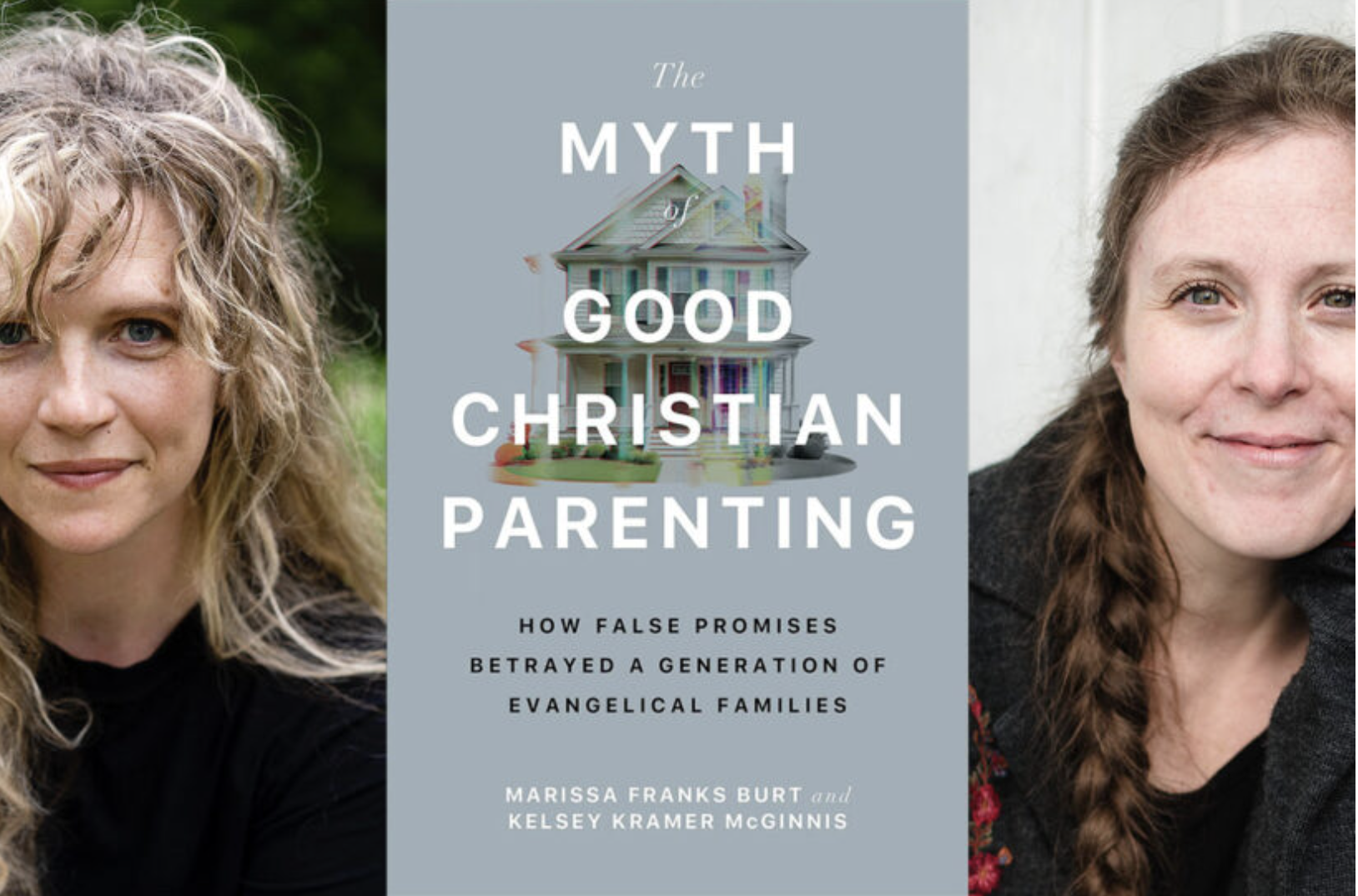
For the past two weeks we’ve examined four concerning traits of cultural Christian parenting as articulated by Burt & McGinnis in their book The Myth of Good Christian Parenting: How False Promises Betrayed a Generation of Evangelical Families.

  • Hierarchical structures

  • Kids belonging to parents (rather than to themselves)

  • Spiritual enmeshment

  • Training children’s bodies to obey instead of teaching children to exercise their intrinsic power over their behavior

Despite clear evidence that these dynamics are unhealthy for children and their families, many parents in faith communities continue to perpetuate these oppressive frameworks. The most perplexing question is why?

In the coming four weeks we’ll look at four factors that lead well-intending parents to utilize principles that compromise the emotional development of their children: lacking their own sense of power, their child’s dependency feeling overwhelming, focusing on image to cover shame, and the ways they were unparented when they were a child.

The first of these is a lack of connection to their own intrinsic power.

Continued….

Read the full post for free here!

The Concerning DNA of Cultural Christian Parenting (Part 2)

I’m continuing our deep dive in the concerning DNA of cultural Christian parenting through Burt & McGinnis’ sobering book The Myth of Good Christian Parenting: How False Promises Betrayed a Generation of Evangelical Families.

One of the most important tasks I do, day in and day out, as a therapist is help survivors of childhood trauma hold and exercise their personal power. We call this agency and it the fuel for how we show up in and shape the world.

This has EVERYTHING to do with why I consider Burt & McGinnis’ book The Myth of Good Christian Parenting: How False Promises Betrayed a Generation of Evangelical Families so valuable for those from a traditional faith background. Their work contains a deep exploration of what I’m calling the fourth concerning trait of traditional Christian parenting: training instead of teaching children.