Crawling Upon The Altar Ourselves

Fawning…

an internal posture

that “leans all the way over”

to center another person

at the expense of our own personhood

in an attempt to survive relational encounters of

disempowerment or maltreatment.

Last week we explored how responsive fawning shows up in our behavior: self-minimizing, hypervigilance, anxiety, shapeshifting, conflict avoidance, resentment, excessive caretaking at our own expense and a desperation to be chosen.

This post, the fourth in a ten-part series on the fawn response, pauses our engagement with Ingrid Clayton’s book Fawning: Why the Need to Please Makes us Lose Ourselves and How to Find our Way Back to add a crucial category her work doesn’t cover—initiative fawning.

Full disclosure upfront, I made up this term. I’m not certain I love it but so far it’s my best attempt to name what happens when chronic fawning intersects CPTSD.

Initiative Fawning = Chronic Fawning + CPTSD

Continue reading the free post here!

Looking for Ourselves Outside of Ourselves

So far we’ve defined fawning as…

an internal posture

that “leans all the way over”

to center another person

at the expense of our own personhood

in an attempt to

survive relational encounters of

disempowerment or maltreatment.

Last week we talked about how the fawn response isn’t controlling, lying, codependency or people pleasing. Ok, great. But what is it? What does it look like? When we are internally leaning all the way over, what are we doing on the outside?

This post is the third in a ten-part series on the fawn response and the process Ingrid Clayton calls “unfawning” in her book Fawning: Why the Need to Please Makes us Lose Ourselves and How to Find our Way Back.

Continue reading the free post here!

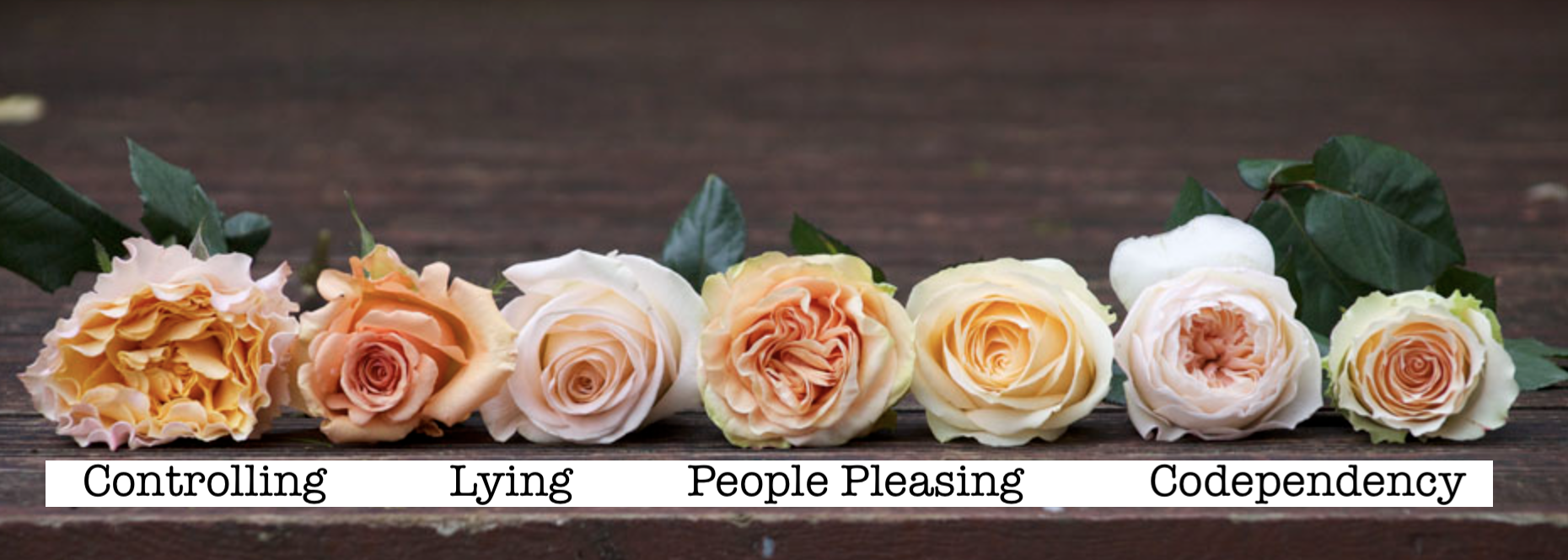
A Rose By Any Other Name: What Fawning Isn’t

Shakespeare may have believed that roses by other names smelled as sweet but when it comes to the trauma response of fawning, grouping it together with words we commonly pathologize hides its true purpose.

This post is the second in a ten-part series on the fawn response and the process Ingrid Clayton, in her book Fawning: Why the Need to Please Makes us Lose Ourselves and How to Find our Way Back, calls “unfawning.”

Last week we defined fawning as “leaning all the way over” or centering another person, at the expense of our own personhood. We do this to survive relational encounters of disempowerment or maltreatment. Fawning can happen in as “small” of a moment as agreeing to a restaurant you don’t really like or laughing off a racial “joke” to not spoil the mood. But it can also occur in intense moments as well—like downplaying the pain when a remorseful partner apologizes for slapping you out of “frustration” or pretending to be into sex that you really don’t want to have but sense will happen with or without your enjoyment.

It’s not enough, though, to merely explain what fawning is, we must also identify what it isn’t. Otherwise, we miss the core intent behind important actions—to find personal safety. These four terms are often framed as personal problems like they originate out of thin air so if we don’t reconsider whether they could be an expression of fawning, we fail to see how they actually develop as adaptive coping mechanisms in dysfunctional environments of cultural, structural, familial and societal systems (p. 29).

Continue reading the free post here!

Fawning & Missing Out On a Mexican Meal

It was a seemingly insignificant moment in January, but it rattled me with shame and confusion. It was also the event that convinced me I needed to read Ingrid Clayton’s book Fawning: Why the Need to Please Makes us Lose Ourselves and How to Find our Way Back.

A trusted soul had recommended the book last year when it came out and a dear client had picked it up and was raving about it. I had even started recommending it to others which broke my cardinal rule of endorsing a book I had not yet read.

I’d known about the fawn response for several years and how confusing it is for survivors of all kinds of abuse, I just didn’t think I did it anymore.

Out of contact with toxic family members for over a decade I saw myself as a direct and upfront person. I have people in my life regularly reflect to me how honest and brave I am. And yet, on a Sunday evening when a man asked me if I was still good with heading to the brewery we had planned on, I said yes when I really wanted something different.

Continue reading the free post here!